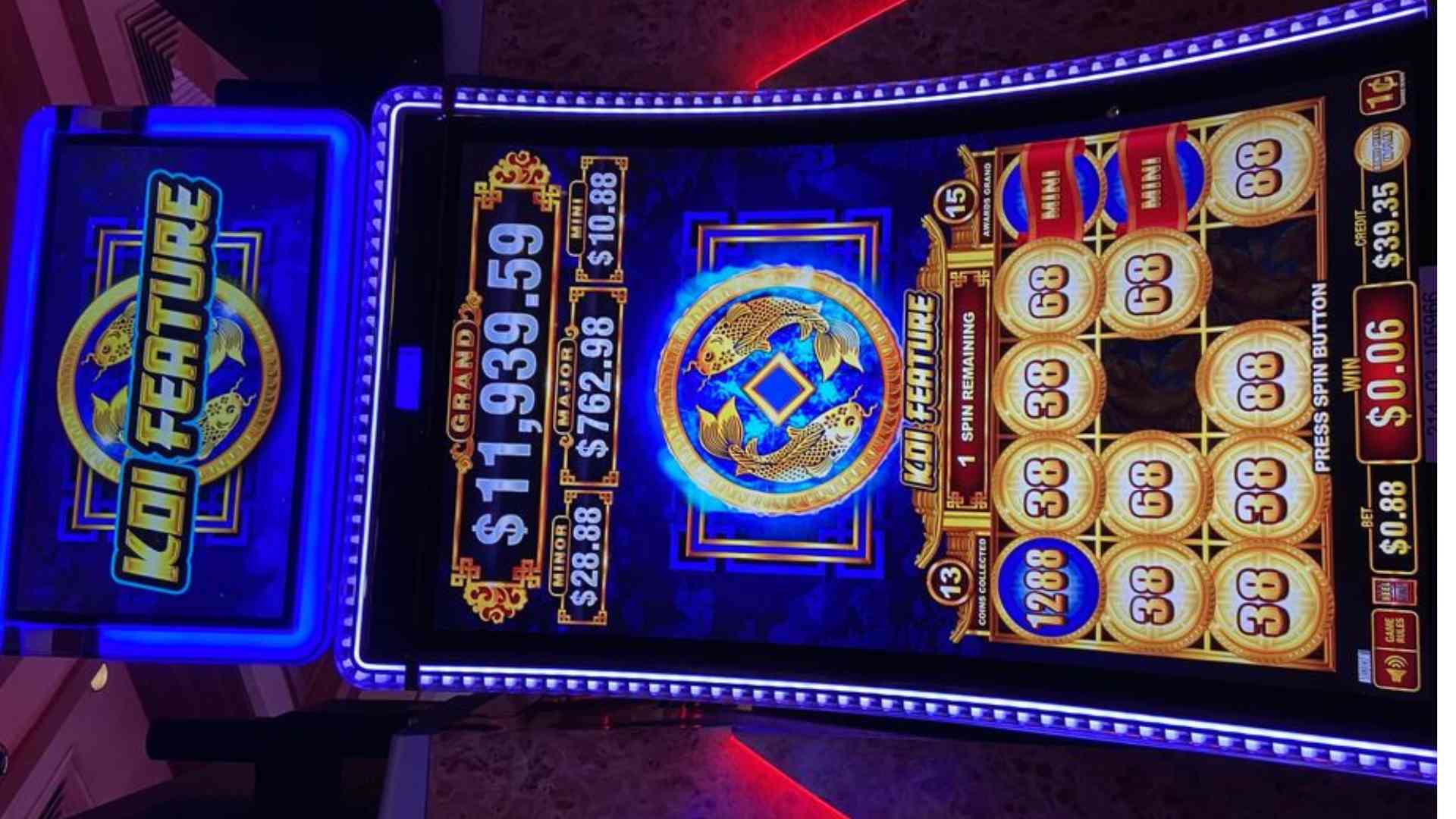
Modern game design heavily relies on cognitive triggers to maintain high levels of user engagement over time. Among these strategies, surprise prize mechanics serve as a primary catalyst for driving player intrigue and continuous participation. By blending unpredictable rewards with structured challenges, developers effectively tap into fundamental human instincts.
The Neural Trigger Behind Unpredictable Rewards
Human psychology responds with heightened intensity when an outcome remains uncertain until the final reveal. When a game offers concealed rewards, the brain naturally releases dopamine during the anticipation phase rather than just at the moment of collection. This anticipatory excitement creates a compelling feedback loop that encourages players to explore further.
Varied reward schedules keep routine actions from feeling monotonous or overly formulaic. Because the player cannot predict the exact value or nature of the prize, every attempt retains a sense of fresh opportunity. Consequently, curiosity becomes the main driver behind long-term gameplay retention.
Designing Balanced Curiosity Loops in Modern Games
Effective surprise mechanics require a delicate balance between player effort and unexpected gratification. If rewards are too predictable, interest declines rapidly due to repetitive outcomes. Conversely, excessively rare drops without clear progression can lead to player fatigue and eventual disengagement.
To solve this issue, game architects build layered progression systems that guarantee base achievements while offering sporadic bonus drops. Players seeking dynamic promotional incentives often explore platforms offering 体育奖金 m88 to complement their interactive sessions. This thoughtful combination of steady advancement and spontaneous perks maintains high motivation levels.
The Impact of Scarcity on Player Perception
The perceived value of a surprise prize depends significantly on its contextual scarcity and visual presentation. When a game signals that an item is rare through distinctive audio-visual cues, the emotional impact of uncovering it increases exponentially. This psychological principle elevates standard game items into highly prized personal accomplishments.
Furthermore, limited-time surprise drops leverage the fear of missing out to heighten immediate focus. When players know a specific unexpected reward is only available temporarily, their drive to participate intensifies. These strategic implementations demonstrate how visual framing directly alters user behavior.
Ethical Implementation and Sustainable Engagement
While dynamic reward mechanics enhance enjoyment, developers carry a responsibility to deploy them ethically. Transparent drop rates and guaranteed safety nets prevent surprise systems from becoming predatory or frustrating. Players appreciate clear boundaries that honor their time and effort while maintaining the excitement of chance.
Sustainable game design prioritizes long-term satisfaction over short-term compulsion. By focusing on player agency and meaningful surprise, studios foster healthy gaming communities. As the industry evolves, the refinement of these psychological tools will continue to shape memorable digital experiences.