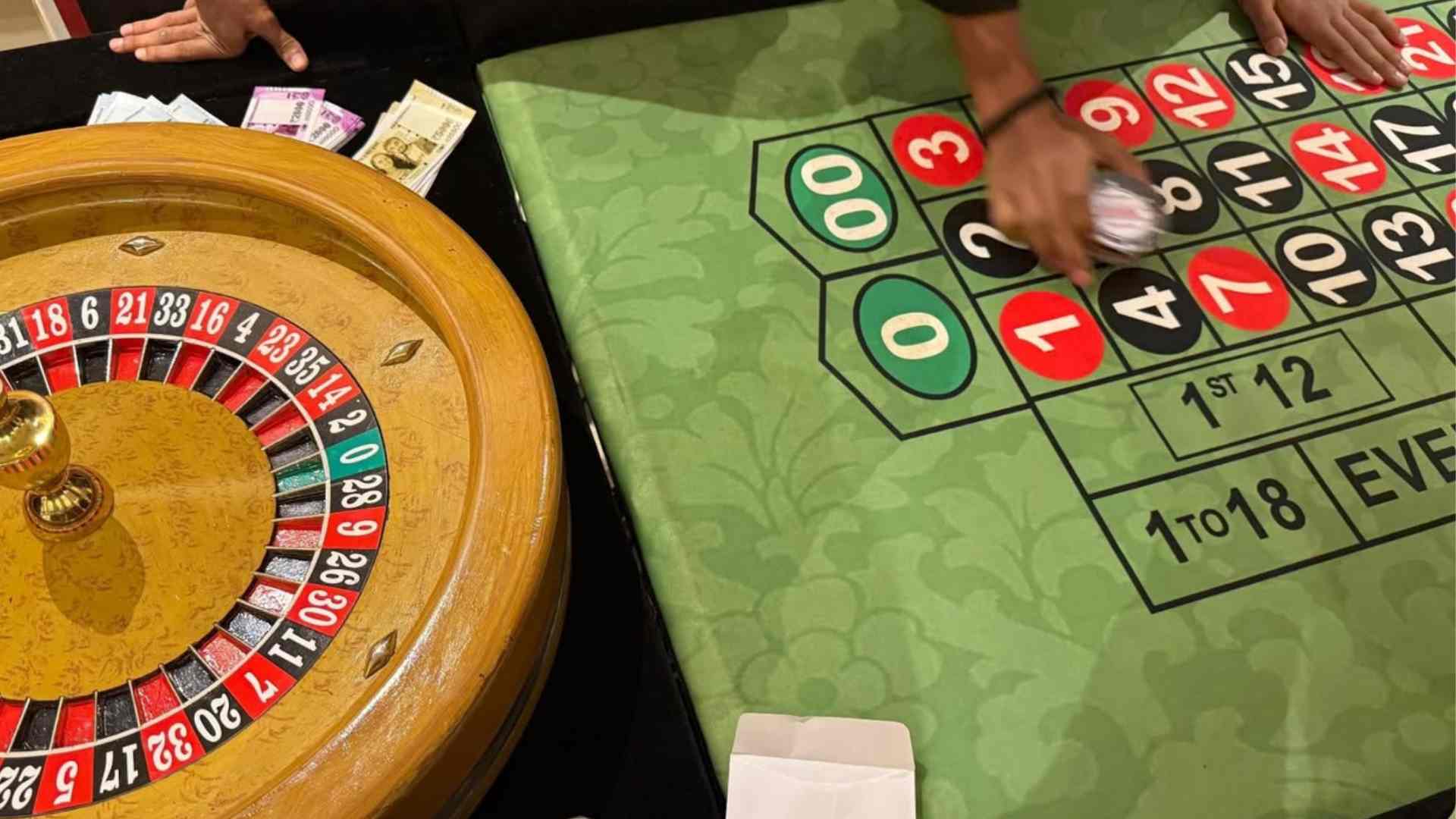
Tabletop gaming has experienced an incredible surge in popularity as players seek more engaging, tactile, and intellectually stimulating forms of entertainment. Unlike passive media consumption, sitting around a physical or digital table demands active participation, strategic foresight, and real-time decision-making. These dynamics create a uniquely stimulating environment where every choice carries weight and every outcome feels earned.
The Appeal of Strategic Mastery
Many classic table games are built on a foundation of deep tactical planning rather than simple random chance. Players must carefully analyze their opponents' potential moves while simultaneously managing their own limited resources or card combinations. This constant mental exercises helps build critical thinking skills and enhances overall cognitive adaptability over time.
Furthermore, mastering these strategic frameworks provides players with a profound sense of personal achievement. As your understanding of game theory and positional play deepens, you can systematically reduce the influence of luck on your matches. This rewarding learning curve is precisely what keeps enthusiasts returning to the felt and board year after year.
Navigating the Psychological Arena
Beyond the mathematical probabilities and structured rules, table games present a highly dynamic social and psychological landscape. Success often relies on your ability to accurately read subtle behavioral cues, manage your own emotional responses, and negotiate effectively with other players. Learning when to bluff, when to hold back, and how to project quiet confidence is a fascinating challenge in itself.
For those looking to transition their skills online, finding a reliable and secure platform is essential for a smooth gaming experience. You can easily access your preferred matches by utilizing a secure portal such as m88.com login alternatif to explore a wide variety of interactive options. Developing strong emotional discipline in these virtual spaces will translate directly into better decision-making at physical tables as well.
Cultivating Meaningful Connections
One of the most remarkable aspects of tabletop challenges is their natural ability to bring diverse groups of people together. Whether you are cooperating to defeat a complex board game system or competing in a friendly tournament, the shared focus fosters genuine communication. These interactive sessions often lower social barriers much faster than standard conversations or superficial digital interactions.
This unique social dynamic is why family game nights and local tabletop clubs continue to thrive in our highly digitized society. The laughter, tension, and collective triumphs experienced around a table create lasting memories that solo gaming alternatives simply cannot replicate. Engaging with these timeless pastimes serves as a refreshing reminder of the power of face-to-face human connection.
Essential Guidelines for Modern Beginners
If you are new to this vibrant hobby, the best approach is to start with relatively simple rulesets before tackling highly complex simulators. Spending a few minutes observing experienced players or watching instructional guides can quickly demystify basic concepts. This initial preparation goes a long way in building your confidence and ensuring your first few sessions are thoroughly enjoyable.
Additionally, always remember to maintain a healthy perspective on competition and focus on the learning process rather than just the final score. Treat every defeat as a valuable lesson that refines your tactical approach and sharpens your instincts. By embracing a growth mindset, you will find that even the most difficult strategic hurdles become incredibly rewarding steps on your gaming journey.